
Solar Energy
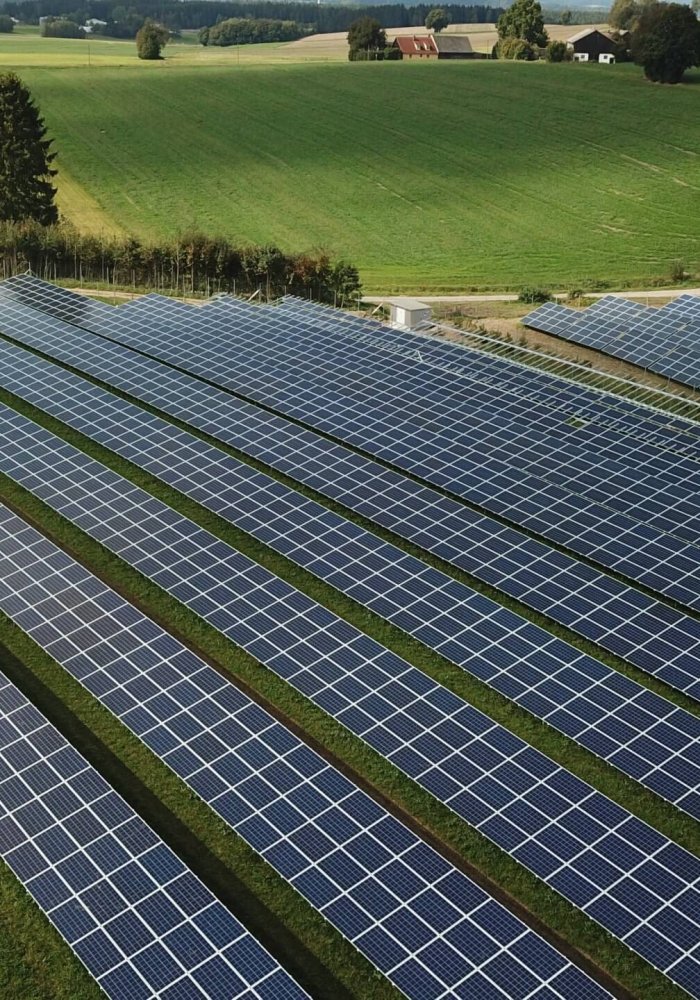
Is the investment in a solar park a business of the future?
Solar energy is considered the new “gold rush”, and many are now trying to enter this field. Already, almost 3% of the total electricity generated in the US is solar, and an enormous percentage of 12.2% of the electricity in the EU came from solar panels in 2022.
The current solar energy market looks good globally and is estimated to reach approx. €205 billion by 2026. This represents a compound annual growth rate of over 20% compared to 2018. Solar energy is in demand in developed and developing countries around the world, with many governments subsidizing production and offering rebates for installing solar panels as a way to reduce the degree of environmental pollution.
In developing countries, incomplete infrastructure and insufficient electricity grids have led to a demand for solar energy to compensate for unreliable or non-existent electricity supply, especially in rural areas. An increase in the degree of awareness of climate change and gas prices in the developed world has contributed to a more conscientious consumption of energy, generating a continuous demand for renewable solar energy.
Solar energy is considered by many to be the cleanest and most abundant source of renewable energy available, and the biggest economic powers seem to have the biggest resources. Storage options are improving rapidly, making solar storage more efficient and cheaper than ever.
So, now is definitely a good time for solar energy, almost anywhere you are, but starting a company in this field will come with many obstacles. The first is common to all startups is the cost.
There are numerous approaches to solar business and each will come with its own cost. First of all, there are two main ways to generate solar energy: photovoltaic cells and concentrated solar energy. Both will have different customers and therefore completely different business models. We will focus on photovoltaic panels, this being the most common.
Solar energy producing companies can be from the smallest to very large companies, and the investment can vary according to the size of the company, from 10,000 EUR to 3 million EUR. The good news is that this type of business is suitable both for small businesses with limited funds and for the most ambitious with access to funds, for whom the sky is literally the limit. Plus, every year, the cost of solar equipment goes down, making it always a good time to get started.
Assuming the choice of a standard configuration, of average efficiency and reasonable costs of authorization and connection to the network, an investment in one MW of energy would be between 800,000 EURO and 1,000,000 EURO with approx. 45-50% of costs directed towards the purchase of photovoltaic modules and inverters, support structure, cables, etc.
But there are other costs that you must consider before entering this market. Costs related to permits, financing, solar installation, and indirect costs such as customer acquisition costs, which can be significant in the industry. All these costs affect both the amortization period of the investment and the sale price of the energy produced and can be very difficult to identify.
Fortunately, modern software improvements increase the power of marketing and lead generation and result in savings that can be passed on. Skilled human resources are also a growing resource that promises to contribute to these prospects in a similar way. As more industries become familiar with solar energy, the infrastructure adapts in turn.
The first thing you need to do is a business plan. You need to know why you are going into it, how much work it will take and what your approach will be. The business model will affect the rest of the steps in implementing the business idea, so keep this in mind before you start and be ready to modify or change it depending on what you discover during the analysis. Then follow these steps:
1. Build a business plan
This document will be your guide and will record all the key information you will need to know how to run your business. A good business plan must include information about the market and existing regulations, the main competitors, suppliers, customers, necessary expenses and expected income, the profitability threshold, etc.
In building the business plan, both financial and technical experts are needed to determine the potential of the land on which the park will be located.
For example, depending on the typology of the terrain (flat/sloped), positioning, proximity to the network, type of panels installed, etc., a land of approximately 1-1.4 ha is required to install a MW. Also, in order to reduce the number of approvals and authorizations required for the authorization of the park, it is recommended that the land be located in the inner city or outside the city with a low level of soil fertility. Otherwise, it might be necessary to draw up a PUZ and a pedological study, or, in certain situations, the investment could not be made on the respective land.
2. Register the company or enter the CAEN code
After drawing up the business plan, you should know exactly what your entity should look like and how it will go forward, and this should give you answers to the question of how to register it properly. If this already exists, you may only need the authorization of the necessary CAEN code, respectively Electricity Production – 3511.
3. Look for financing
If you need more money to get started, now is a good time to look for it. There are many sources to choose from – the first of these should be the non-reimbursable funds provided by the state, as you don’t have to pay them back. But the banks also started showing increased interest and offering better and better conditions for the companies active in the field of renewable energy. Once again, a well-developed and realistic business plan will be necessary to be able to obtain financing both from non-reimbursable funds and from financial institutions.
The approach you choose will depend on what you are willing to sacrifice, and this choice essentially boils down to financial risk or company direction.
4. Start the business
Once the necessary funds are secured and you have a well-established plan (suppliers, equipment, human resources, etc.), you can start the investment. This stage can be daunting or exciting, but it is a necessary step and the point where your business becomes a reality. The rest depends on you and on the success of the marketing strategy you outlined in the business plan.
Dazz Management Consulting offers assistance in the field of solar energy. Our consultants can help you both with the development of the business plan and in the process of obtaining project financing. Also, through our collaborators, we offer technical assistance, both for the evaluation of the potential of the land, the optimal technical solution, the technical approval for connection, etc.
For more information you can contact us here…
Other Articles
Dazz Management Tailored Solutions for Profitability: The Power of Business and Financial Consulting.
We have the key for your growth and success
Read more here...

Why a Business Plan can’t be cheap?
"If you fail to plan, you plan to fail"
Read more here...

Critical Execution Metrics in Real Estate Developments
All the critical aspects of a real estate development are established, integrated and monitored in a single point: Financial Management
Find out more in this article here...

Gain transparency over your company’s financials, track your results and measure your business performance so that you can make informed decisions at any time.
Sounds good, right?
Find out how in this article here...
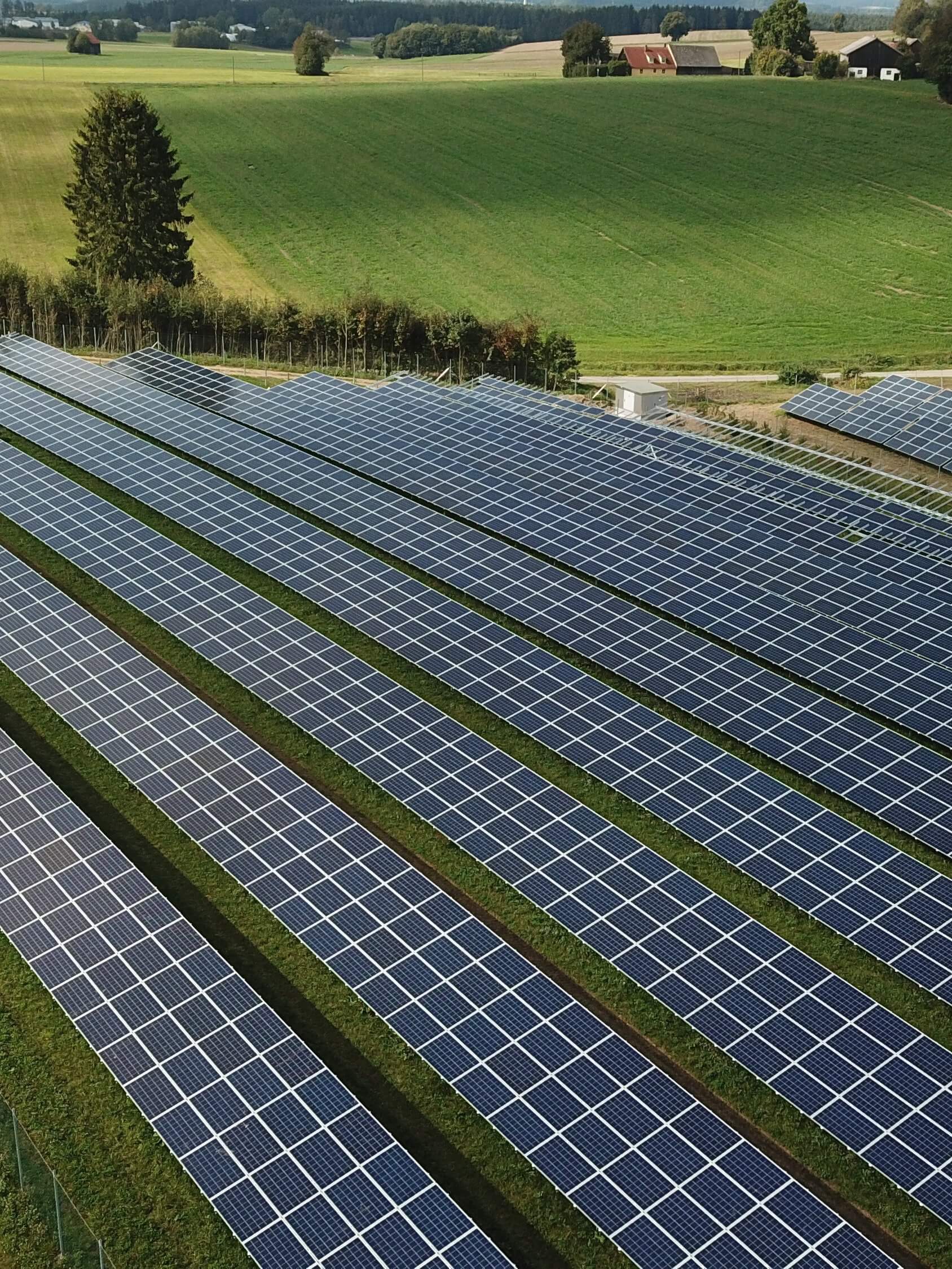
Is the investment in a solar park a business of the future?
Solar energy is considered the new "gold rush"
Read more here...

The Crucial Role of Financial Management in Real Estate Development
One small step in the wrong direction and everything can fall apart like in a domino game. Let’s see how important financial management in real estate development is.
Read more here...

The Perils of Shifting Strategies in Real Estate Development
Changing the strategy during a Real Estate development without a meticulous assessment of the impact can lead to a disaster. Let's explore the risks of such decisions and how to mitigate them.
Read more here...

More than 70% of M&A deals fail due to issues that surface during the financial due diligence.
In this article, we will explore one of the reasons behind this alarming statistic and shed light on the importance of conducting thorough due diligence.
Read more here...

Harnessing the Power of AI in Business Planning: Shaping a Successful Future
At Dazz Management Consulting we embrace technology and combine the power of AI tools with our experts’ skills to offer our clients the best-in-class solutions for their business.
Check out how AI can benefit businesses in staying competitive and take better business decisions.
Read more here...

Expand your business while the rest decide to contract!
In troubled economic times, like those we are going through today, with major tax changes, inflation, admittedly falling but far from any forecast, unemployment and so on, opportunities may arise.
How? Simple!
Find out more in the article below.
Read more here...

Housing Market Correction 2023
Is the housing market going to crash in 2023? How much did real estate prices drop in Bucharest and in the rest of the country?
Find out more in the article below.
Read more here...

Retail Market Insights – Q1 2023
Are you a company in the retail or FMCG sector looking to take your business to new heights? Partner with us and let's drive your business forward together.
In the meantime, check out the latest insights of the market by following the link below
Read more here...

Avoiding Common Real Estate Financial Modeling Mistakes
Real estate financial modeling is a critical tool for investors, developers, and analysts to evaluate the financial viability of a property or project.
Read more here...
Why is financial modeling important for any type of business?
Financial modeling is the most important component when it comes to strategic business decisions.
Read more here...

What is tax amnesty?
The restructuring plan , a particularly important element in the implementation of tax amnesty.
Read more here...

Real Estate
McKinsey Study – Two-thirds of Global Wealth Deposited in Real Estate.
Read more here...

Credit Suisse
Why Credit Suisse collapsed and what's next?
Read more here...

Retail
Top Retailers in 2021
Read more here...

